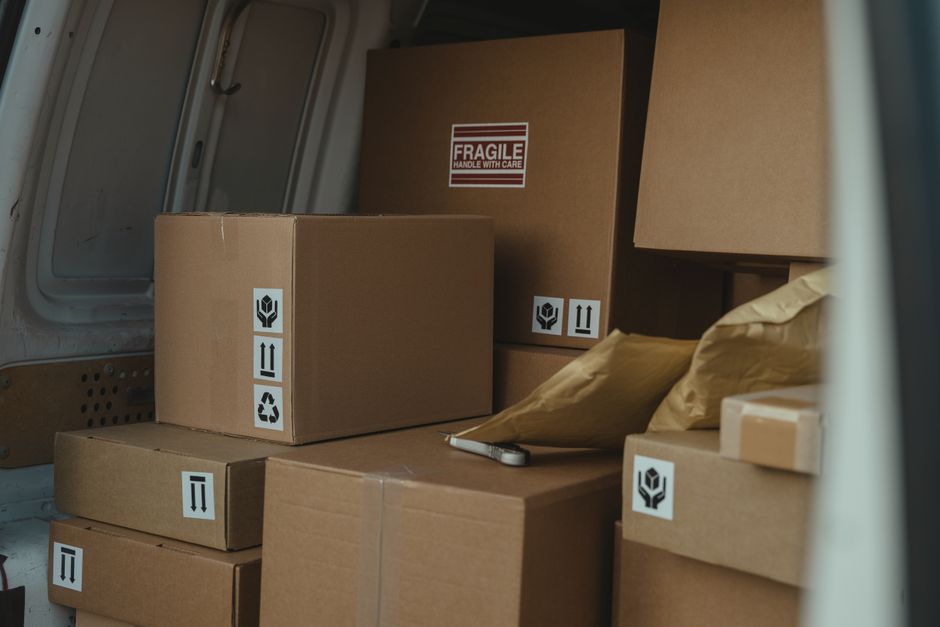
Packing fragile items for a man with van removal without damage
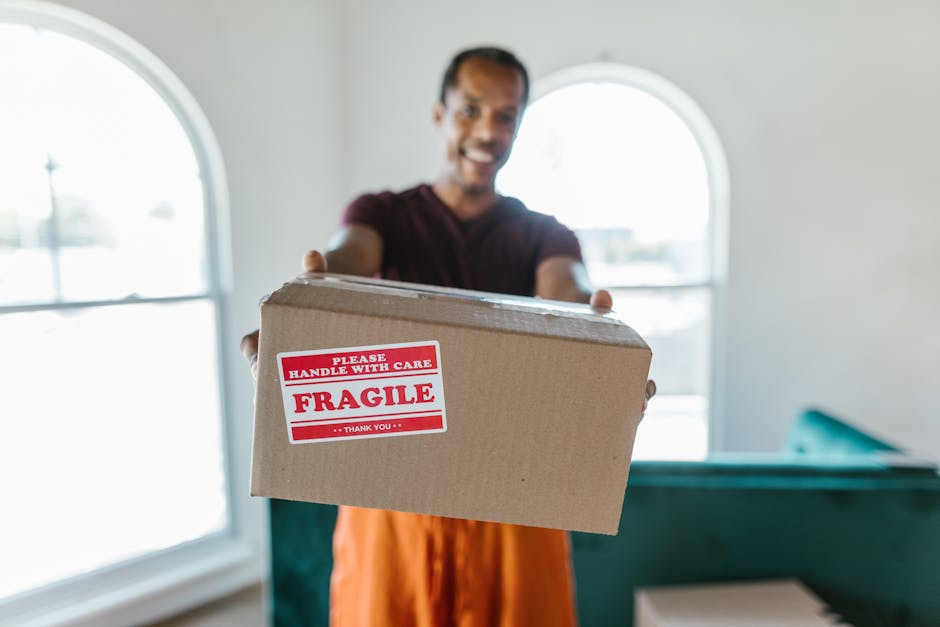
Fragile things have a habit of making moving day feel more stressful than it needs to be. A chipped mug, a cracked picture frame, a wobbling lamp base - suddenly the whole move feels personal. If you are planning Packing fragile items for a man with van removal without damage, the good news is this: most breakages are preventable with the right packing method, the right materials, and a little planning before the van even arrives.
This guide walks you through how to protect glassware, ceramics, mirrors, ornaments, electronics, and other breakables so they travel safely in a man and van move. You will also find common mistakes, practical tools, a comparison of packing methods, and a realistic checklist you can use on moving day. To be fair, the difference between "wrapped up" and "actually protected" is often a few minutes and a bit of tape.
Why Packing fragile items for a man with van removal without damage Matters
Fragile items are usually the first things people underestimate. A box may look solid, but if the contents can move even a little, bumps in the road will do the rest. And a man with van removal, while often more flexible and cost-effective than a full-scale moving operation, still involves lifting, stacking, cornering, braking, and tight spaces. Those moments matter.
The big issue is not just impact. It is movement. Inside a vehicle, items shift with every turn and every stop. In a typical UK street, with speed bumps, narrow drives, or a quick dash from doorway to pavement, fragile items can be exposed to more jostling than you expect. That is why proper packing is not optional if you care about anything breakable.
There is also a trust angle here. If you are booking a service like man with van or one of the broader removal services, the quality of your packing directly affects how smoothly the job goes. Good packing helps the mover load efficiently, stack safely, and keep the van organised. Bad packing creates risk, delays, and that awful sinking feeling when a box starts rattling halfway through the journey.
Expert summary: If fragile items are packed so they cannot move, cannot touch each other, and cannot be crushed by heavier items, your chances of damage drop dramatically. Simple idea. Powerful result.
How Packing fragile items for a man with van removal without damage Works
The process is really about creating layers of protection. First, you wrap each item individually. Then you fill voids so nothing shifts. After that, you choose the right box size and label it clearly. Finally, the van load needs to support those boxes instead of squeezing them.
That sounds straightforward, and mostly it is. But the details matter. A glass, for example, should not be wrapped in a single sheet of newspaper and left loose in a large box with space around it. It needs padding, separation, and a box that matches its shape and weight. The same goes for plates, bowls, mirrors, framed art, and delicate kitchenware.
With a man and van move, the packing process should also fit the rhythm of the day. A smaller vehicle may be loaded more efficiently than a big lorry, but that means your fragile items must be ready for a tighter layout. Good movers will still help where appropriate, yet the safest setup starts with you packing in a way that makes sense for manual handling and secure stacking.
One small but important point: packing is not only about breakage. It is also about pressure damage, scratches, chips, moisture, and accidental crush points. A chipped vase is still damage, even if it did not fully shatter. Slightly annoying, yes. But avoidable.
Key Benefits and Practical Advantages
Done properly, careful packing gives you more than just fewer breakages. It changes the whole moving experience for the better.
- Less risk of damage: The obvious one, but still the main reason people invest time in packing well.
- Faster loading and unloading: Clearly labelled boxes and consistent sizes make life easier for everyone.
- Better space use in the van: Neatly packed boxes are easier to stack without creating pressure points.
- Less stress on moving day: You are not wondering whether the crockery box has become a percussion instrument.
- Improved handling: Boxes that are balanced and sealed correctly are much easier to carry.
- Cleaner unpacking: When fragile items are packed by room or category, unpacking becomes far more manageable.
There is also a small financial benefit. Replacing broken items costs money, but so does the time and hassle of sorting out damage after the move. In our experience, people tend to remember the one broken item more than the whole move going well. Fair enough, really. Packing properly is the quiet bit of the job that saves you later.
If you want professional help with the wrapping, boxing, and safe handling side of things, you may also want to look at packing and unpacking services. That can be a sensible choice if time is tight or you have especially awkward items.
Who This Is For and When It Makes Sense
This approach suits more people than you might think. If you are moving a few streets away, across town, or between flats with stairs and awkward corners, fragile packing matters just as much as on a bigger move.
It is especially useful for:
- Home movers with glassware, dishes, ceramics, or ornaments
- Students moving mirrors, monitors, or small electronics
- Families with framed photos, lamps, and sentimental items
- Small businesses moving stock, display items, or office equipment
- Anyone booking a man and van removals service and wanting extra control over packing quality
It also makes sense if you are downsizing. Oddly enough, smaller moves can be the trickiest because everything has to fit more tightly. There is less room for loose packing, which means more care, not less.
If your move involves a house, you may find it helpful to pair your packing plan with a wider moving plan through house removals or home moves. That way the packing method matches the scale of the move instead of feeling improvised at the last minute.
Step-by-Step Guidance
Here is the practical bit. If you want fragile items to survive the move in good shape, follow this sequence rather than packing in random bursts between kettle boils and phone calls.
1. Sort and separate by fragility
Start by grouping items into categories: glass, ceramics, framed items, electronics, ornaments, and anything sentimental or unusually shaped. This helps you decide what needs extra padding and what can go in a standard box. It also stops you mixing hard items with soft ones, which is a surprisingly common mistake.
2. Gather the right materials
Use strong double-walled boxes where possible, packing paper, bubble wrap, tape, dividers, and cushioning material like scrunched paper or foam. If you are using old boxes, check for crushed corners, soft bases, or tape that has already started lifting. A box with a weak bottom is not a box. It is a future problem.
3. Wrap each item individually
Each item should have its own protective layer. Plates are best wrapped one by one. Glasses should be wrapped with particular attention to rims and handles. Mirrors and framed pictures need corner protection as well as surface cushioning.
4. Line the box base
Add a thick cushion at the bottom before placing any items inside. This absorbs shock and helps protect the underside of the first layer. Think of it as the box's shock absorber.
5. Pack heavier fragile items first
Heavier fragile items, such as serving dishes or small appliances, should go near the bottom of the box. Lighter delicate pieces can sit on top. Try to keep weight balanced so the box does not sag on one side.
6. Fill every gap
Any empty space invites movement. Fill gaps with packing paper, clothing, towels, or cushioning material, depending on the item. The goal is to stop rattling completely. Shake the box gently. If you hear movement, it is not ready.
7. Seal and label clearly
Close the box with strong tape and label it on at least two sides. Write FRAGILE, but also add a brief note like "glassware" or "kitchen plates". Human labels beat vague labels every time. If a box is destined for storage inside a moving van, clear labels also help the team decide how to position it.
8. Load with care
Fragile boxes should not be crushed under heavy furniture or pushed into a gap where they can topple. They need a stable, upright position where possible. If the van has straps, blankets, or soft furnishings, use them to create a gentler load. A calm, steady load is what you want. Not a game of van Tetris gone wrong.
9. Unpack before the rush
Once you arrive, do not leave fragile boxes in a pile for later if you can help it. Unpack them sooner rather than later, especially if there are damp conditions, cold temperatures, or limited stacking space at the new property.
Expert Tips for Better Results
Small adjustments make a huge difference here. These are the details people usually only learn after one awkward move, and maybe a broken wine glass or two.
- Pack like a retailer, not like a suitcase: Retail packaging works because items cannot move inside the box. Aim for that same snugness.
- Use small boxes for heavy fragile items: A small box is easier to lift and less likely to collapse.
- Keep one category per box: Mixing crockery, glass, and decor makes unpacking messy and increases breakage risk.
- Protect corners first: Corners are often the first point of impact for mirrors, frames, and screens.
- Double-tape the base: If in doubt, reinforce the bottom. Cheap insurance, basically.
- Make a "first open" box: Keep the most essential fragile items separate so you are not digging around for your kettle and plates at 9 p.m.
One thing we see a lot is people overfilling boxes because they want to save space. I get it. But a stuffed box can push pressure onto delicate edges. Better to use one more box than to compress a whole set of glasses into a tight fit and hope for the best. Hope is not a packing material.
If you are comparing moving support options, it can also help to review man with van removal alongside broader removal company services. The right choice usually depends on how much help you need with handling, not just transport.
Common Mistakes to Avoid
Most damage comes from a handful of familiar errors. The good news is that they are easy to avoid once you know what to look for.
- Using oversized boxes: More empty space means more movement.
- Wrapping items together: Glass against glass is never a clever shortcut.
- Skipping cushioning at the base and top: Protection needs to surround the item, not just sit beside it.
- Leaving boxes unlabelled: This makes loading less careful than it should be.
- Overloading one box: Heavy boxes are harder to carry and easier to drop.
- Trusting weak tape: A box bottom that gives way on the stairs is nobody's favourite moment.
- Packing at the last minute: Rushed packing is usually rough packing.
Sometimes people also assume that a smaller van means they can "just squeeze things in more carefully". Maybe. But squeezed is still squeezed. Proper padding beats careful squeezing every time.
Tools, Resources and Recommendations
You do not need specialist equipment to do this well, but the right basics matter. Here is the kit that usually pays off fastest.
| Tool or material | Best use | Why it helps |
|---|---|---|
| Double-walled boxes | Glassware, crockery, ornaments | Stronger sides and better crush resistance |
| Packing paper | Wrapping and filling gaps | Flexible, clean cushioning |
| Bubble wrap | Very delicate or awkward items | Protects against knocks and surface scratches |
| Strong tape | Sealing and reinforcing boxes | Prevents base failure and lid opening |
| Markers or labels | Clear identification | Helps loading order and careful handling |
| Blankets or soft furnishings | Additional van padding | Useful for blocking movement in transit |
For people who want a more hands-off move, professional packing support is often the most practical option. You can explore packing and unpacking services if you would prefer someone else to handle the wrapping and box preparation. If you are also comparing broader moving support, the site's movers page can help you understand the wider service set.
And yes, labels matter. A lot. A clearly marked box means the person loading the van knows not to bury it under something with all the elegance of a wardrobe dropped into a hallway. Little things.
Law, Compliance, Standards, or Best Practice
For most home moves, fragile packing is guided more by common-sense best practice than by a special legal rule. Still, there are a few practical standards worth respecting. Safe lifting, sensible load distribution, and secure loading all fall under normal expectations for professional removals work in the UK.
If you are using a removal provider, it is reasonable to ask about insurance, handling practices, and how delicate items are treated during loading. The page on insurance and safety is a sensible place to start if you want reassurance around risk management. Likewise, if you want to understand the company's broader approach to safe working, the health and safety policy provides helpful context.
There are also wider service terms and payment expectations to keep in mind. Reading the terms and conditions and payment and security information helps avoid surprises later. That is just good practice, really, especially if you are booking at short notice.
If you have special concerns about access, damaged property, or handling instructions, say so early. A reliable mover can only act on what they know. This is one of those moments where being a bit fussy is entirely reasonable.
Options, Methods, or Comparison Table
There is more than one way to pack fragile items, but not every method suits every move. Here is a simple comparison to help you decide what fits your situation.
| Method | Best for | Pros | Watch-outs |
|---|---|---|---|
| Self-packing with standard materials | Smaller home moves, budget-conscious movers | Low cost, full control, flexible timing | Requires time and care; easy to overpack |
| Self-packing with premium materials | High-value or very fragile items | Better protection, stronger boxes, improved confidence | Costs more, but often worth it for delicate items |
| Professional packing service | Busy households, offices, or complex moves | Saves time, usually more consistent, less stress | Higher overall cost than DIY packing |
| Hybrid approach | Most practical moves | Good balance of cost and quality | Needs clear agreement on who packs what |
In many cases, the hybrid approach is the sweet spot. You pack everyday items, and the more delicate or awkward pieces get extra attention. That can work especially well for home moves and smaller man and van jobs where flexibility matters.
Case Study or Real-World Example
A typical example: a couple moving from a first-floor flat to a terraced house across the city. Nothing dramatic, just the usual mix of glasses, plates, framed prints, a standing lamp, and a few sentimental bits that were not remotely replaceable.
They packed the kitchen items into small boxes, using paper between plates and extra cushioning around glass tumblers. The mirror from the hallway was wrapped in cardboard corner guards and a blanket, then placed upright between two soft loads in the van. Lampshades were packed separately, because, frankly, stuffing them in with everything else is asking for a dented mess.
What made the difference? Clear labels, no overfilled boxes, and a loading plan that kept the fragile cartons on top of stable items rather than buried beneath furniture. The whole move felt calmer. Not perfect, because real moving days never are, but calm enough. And that matters.
If the couple had been short on time, they could have used a fuller-service option through house movers or house removalists. The point is not that one approach is always best. It is that the packing method should match the move, the items, and your tolerance for risk.
Practical Checklist
Use this checklist the day before and again before the van arrives. It is simple, but it catches most of the avoidable problems.
- Fragile items sorted by type and priority
- Strong boxes selected, with no crushed corners or weak bases
- Each item wrapped individually
- Bottom of every box cushioned
- All gaps filled so nothing shifts
- Heavier delicate items placed low in the box
- Boxes sealed securely with strong tape
- At least two sides labelled clearly
- Special items marked with handling notes
- Fragile boxes kept separate from heavy furniture during loading
- Essentials box prepared for immediate use after arrival
- Insurance and service terms reviewed if you are using a provider
One small extra tip: keep a phone photo of especially valuable items before they are packed. It is not a magic shield, obviously, but it can be useful for your own records and peace of mind.
Conclusion
Packing fragile items for a man with van removal without damage is mostly about control. Control over movement, over cushioning, over box size, and over how the van is loaded. Do those things properly and the whole move becomes less stressful, less chaotic, and much less likely to end with broken glass on the kitchen floor.
The best approach is usually the simplest one: wrap carefully, pack snugly, label clearly, and load with a bit of thought. Nothing fancy. Just solid moving common sense, done well.
If you are planning a move and want practical support, taking time to review your options can make the day feel far easier. Start with the services and safety information that matter most to you, then choose the level of help that fits your home, your budget, and your peace of mind.
Get a free quote today and see how much you can save.
And if the moving day feels a bit too full-on, that is normal. Take it one box at a time. You really can do this.
Frequently Asked Questions
What is the best way to pack fragile items for a man with van removal?
The best method is to wrap each item individually, use strong boxes, fill all gaps, and label boxes clearly. The goal is to stop movement inside the box and prevent pressure damage during loading and transport.
Should I use bubble wrap or packing paper for fragile items?
Both can work. Packing paper is excellent for wrapping plates, glasses, and filling voids, while bubble wrap is useful for especially delicate or awkward items. In practice, many people use a mix of the two.
How do I pack glasses without them breaking?
Wrap each glass separately, protect the rim, place them upright in a snug box, and fill any gaps so they cannot move. Avoid overpacking the box, and do not leave empty space around the items.
Can I put fragile items in large boxes?
You can, but it is rarely the best choice. Large boxes often leave too much space for movement and can become too heavy to handle safely. Small or medium boxes are usually better for fragile goods.
Do I need professional packing services for a man with van move?
Not always. If you have a few everyday fragile items, DIY packing may be enough. If you have high-value items, a tight deadline, or lots of breakables, professional help can be worth it.
How should I label fragile boxes?
Write "fragile" on at least two sides and add a short description such as "glassware", "kitchen", or "frames". Clear labels help the mover decide how to position and handle the boxes.
What should not go in the same box as fragile items?
Heavy loose items, sharp tools, and anything that can shift and strike the fragile contents should stay out. Even a small hard object can cause damage if it moves during transit.
How do I protect mirrors and framed pictures?
Use cardboard corner protection, wrap the surface, and keep the item upright if possible. Mirrors and frames should be packed so they cannot flex, because flexing is where cracks often start.
Is a man and van service suitable for fragile furniture or artwork?
Yes, provided the items are packed properly and the mover understands they need careful handling. For especially valuable artwork or specialist pieces, you may want to discuss the loading plan in advance.
Will my fragile items be insured during a move?
That depends on the service and the terms you agree to. It is sensible to check the provider's insurance and safety information before the move so you know what level of cover and responsibility applies.
How far in advance should I pack fragile items?
Ideally, start a few days before moving day so you are not rushed. Fragile packing done in a hurry is where mistakes creep in. Leave enough time to re-check boxes and reinforce anything that feels weak.
What is the biggest mistake people make with fragile packing?
The biggest mistake is leaving empty space inside the box. If items can move, they are at risk. A snug, well-cushioned box is far safer than a loosely packed one, even if it looks neater on the outside.
Where can I find more help with a moving plan?
If you are organising a broader move, it can help to review related services such as removals, removal services, or removals near me to compare what kind of support best suits your situation.